Applied DBT Skills for Anxiety and Mood Disorders

Integrate the transformational impact of DBT skills into your treatment of anxiety, depression and bipolar disorders.

Black and white pictures of Jill Rathus, Marsha Linehan and Alec Miller standing together, with a green background

About the course

Start date
Coming soon
Length
14 hours | 12 months access
Who this course is for
For Mental Health & Health Professionals, Coaches
Organization Enquiries
Find out more

Anxiety and mood disorders are by far the most common presentations in both private and public mental health services. Most therapists are taught the theory of what causes, maintains and helps to address these conditions. The greater challenge is knowing what to actually do moment-to-moment in session with a client who is stuck, ambivalent, or struggling with symptoms that don’t just fit neatly into one diagnostic category.

Applied DBT Skills for Anxiety and Mood Disorders offers you a pathway to feeling confident addressing anxiety and mood disorders (including bipolar disorder) through the use of DBT skills. DBT skills are a versatile collection of interventions developed by DBT founder, Marsha Linehan. The skills distill key elements from multiple evidence-based treatments into a flexible suite of accessible, client-friendly skills and worksheets that can be used spontaneously in response to specific problems, or as a comprehensive treatment protocol. 

Taught by DBT experts Dr. Alec Miller and Dr. Jill Rathus, this course offers:

  • What-to-do-when style teachings on using DBT skills with clients suffering from anxiety, depression, and bipolar disorder, as well as a range of comorbid presentations like self-harming behaviors and relationship problems

  • Detailed expert roleplays showcasing a variety of different client presentations

  • Assessment and case conceptualization modules to clarify which presentations benefit from which specific skills

  • In-depth material addressing the unique challenges of treating bipolar disorder, a complex condition often excluded from training about mood disorders.

Give yourself the gift of the clinical confidence that comes from having seen it done by expert clinicians at the highest level, beyond the theory that comes from just reading the manual. 

Whether you're building your clinical toolkit from the ground up or looking for new skills to support your existing practice, this course will give you clear strategies backed by comprehensive rationales so you can confidently and immediately incorporate DBT skills into your treatment of anxiety, depression, and bipolar disorder.

Applied DBT Skills for Anxiety and Mood Disorders
Coming soon

Register your interest to receive an exclusive discount when this course launches

Meet Your Course Presenters

Dr. Jill Rathus and Dr. Alec Miller have each devoted their careers to making DBT accessible and usable for thousands of mental health professionals all over the world.  Both certified by the DBT-Linehan Board of Certification, they also co-developed DBT for adolescents and families alongside Marsha Linehan, and are co-authors of the leading treatment manuals for DBT in clinical and school settings. They both direct group practices in New York.

Dr. Miller and Dr. Rathus have both received high praise from students, particularly for the way they use clinical demonstrations to bridge the gap between knowing a framework theoretically and actually being able to use a skill in the room with a client.  Their warm, down-to-earth teaching styles and dynamic therapy demonstrations leave students with an embodied, practical confidence that supports their growing theoretical knowledge.

You’ll also hear from a panel of some of the world’s leading DBT experts, including DBT founder Marsha Linehan herself. This extended faculty offers a rich collection of perspectives on the application of DBT skills, drawn from decades of collective experience at the highest level in both research and clinical practice.

Alec Miller and Jill Rathus
How This Course Helps You in Practice

At the end of this course, you will:

  • Be able to apply the five DBT skills modules - mindfulness, distress tolerance, emotion regulation, interpersonal effectiveness, and walking the middle path - to address the symptoms of anxiety, depression, and bipolar disorder

  • Be confident applying DBT skills in clinical practice, either systematically as a comprehensive treatment, or flexibly within other therapeutic approaches and relational therapies.

  • Have the tools to identify and address therapy-interfering behaviors that are often associated with anxiety and mood disorders

  • Be more confident to take on a wider range of client presentations, including clients with cycling mood disorders like bipolar, or those suffering from multiple comorbid conditions.

This self-paced course includes:

  • Eleven modules and 14 hours of teachings focused on applying DBT skills in the treatment of anxiety and mood disorders

  • Expert instruction with Dr. Jill Rathus and Dr. Alec Miller

  • Detailed demonstrations and case conceptualizations with a variety of client presentations and comorbid conditions

  • Twelve months access to review the content at any time 

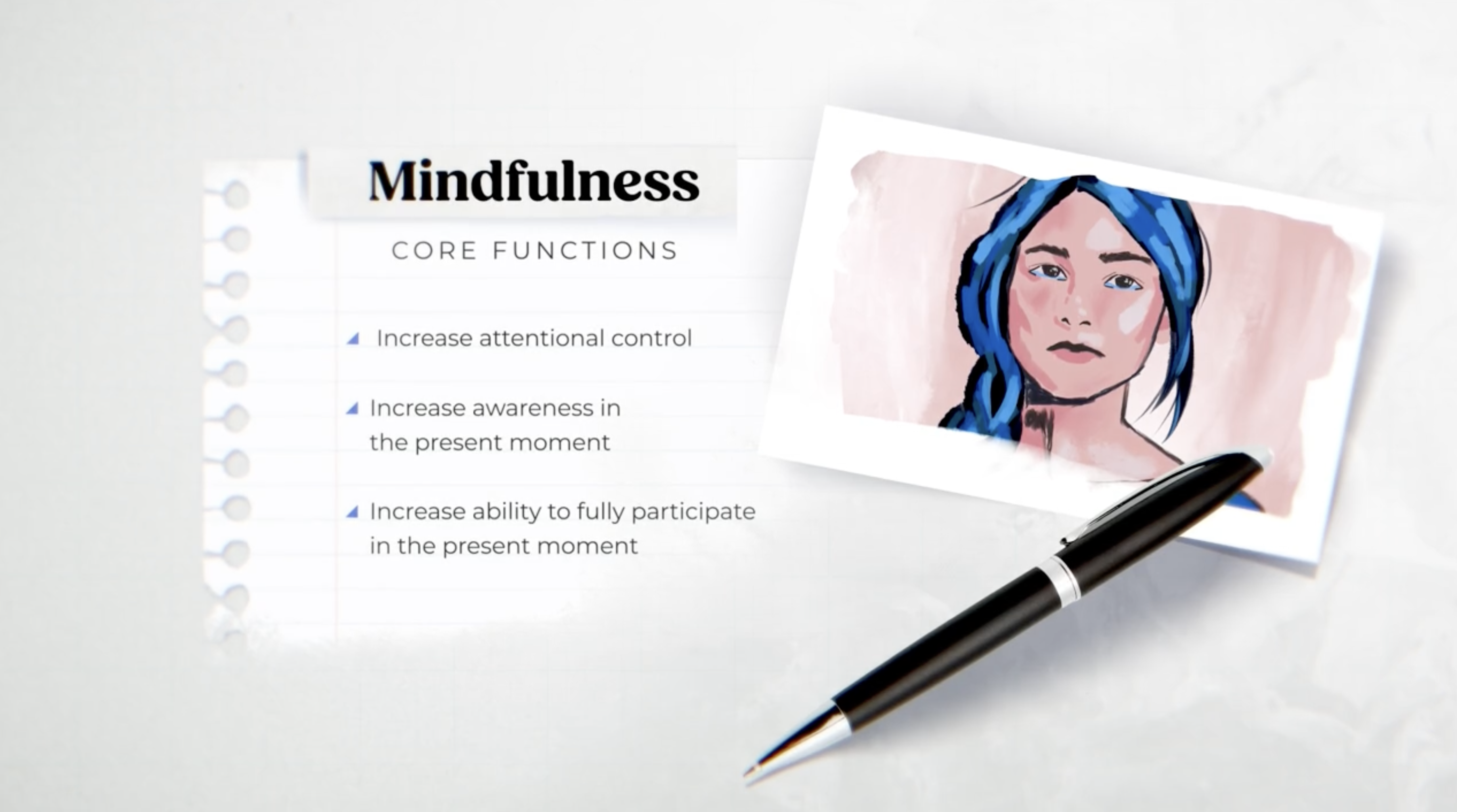
illustration with paper, pen saying mindfulness
Is This Course Right For You?

This course is designed for psychologists, counsellors, social workers, psychotherapists, and other mental health professionals working with clients with anxiety, depression, or bipolar disorder, including cases featuring comorbid conditions.

This course is designed for therapists who are:

  • Early career clinicians looking for a comprehensive introduction to DBT skills that also supports their work with their most common client presentations

  • Established therapists interested in adding DBT skills to their toolkit, either as a stand-alone intervention, or alongside therapeutic approaches they already use

  • Therapists who are already familiar with DBT, but are looking for more specialized training in the application of DBT skills with anxiety and mood disorders

The DBT skills taught in this course are distinct from the full DBT protocol, and can be implemented immediately without the need for further training or endorsement. 

Therapy demonstration with Jill Rathus

Course Overview

Course Excerpts


How Your Course Works