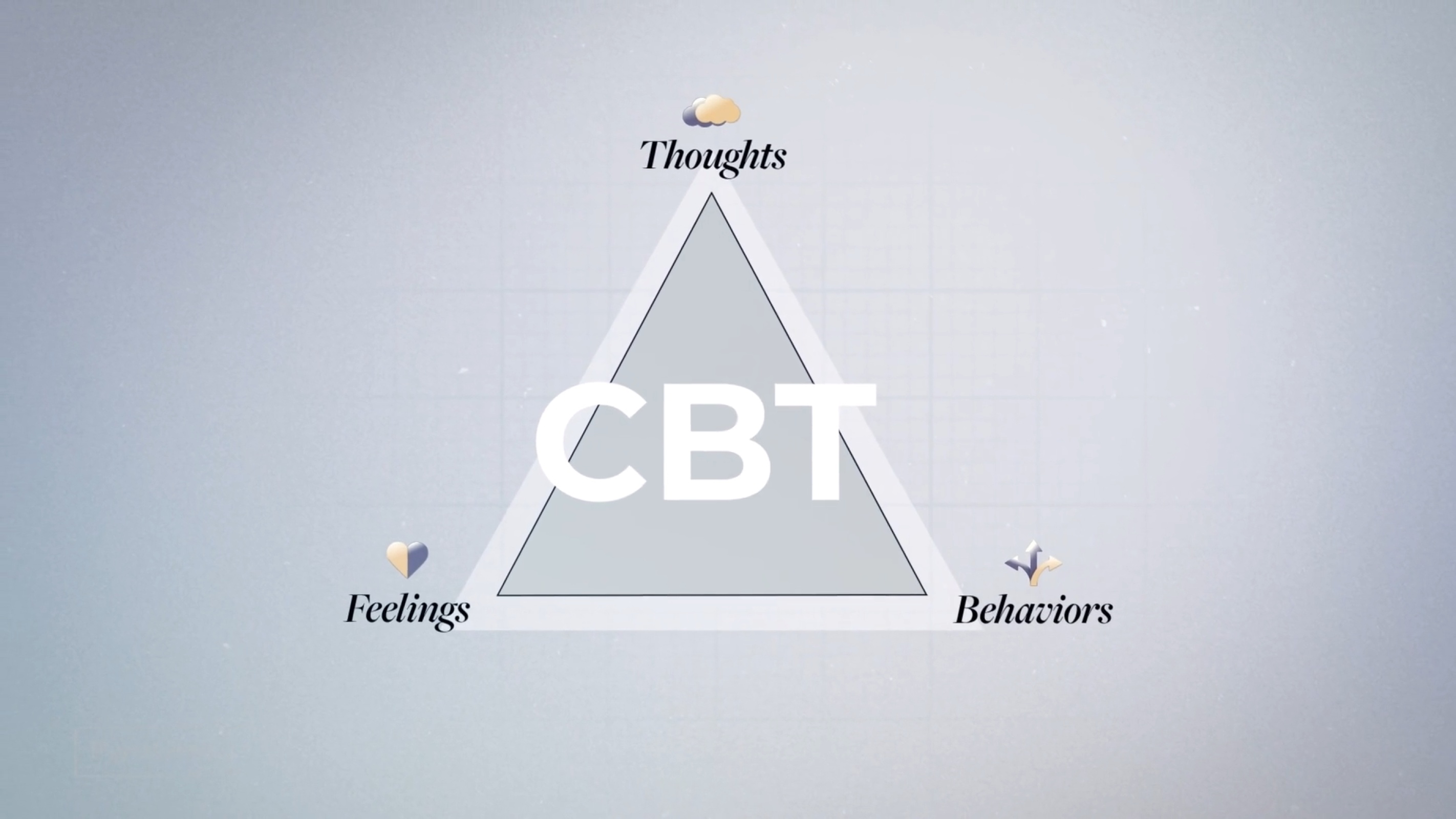

CBT stands for cognitive behavioral therapy. What does that mean? It means that our therapy is based in part on an appreciation of cognition, thinking, and behavior, what the person does. Now I would add that more modern elements of CBT also incorporate emotions. So when we think about CBT then, I think about it as an integrated way of addressing maladaptive cognition, behavior, and emotion for a range of clients.
CBT is going to give you a comprehensive framework for understanding pathology. It's going to answer critical questions about why people suffer, and it's going to give you interventions that are proven to be effective. So you're going to be able to treat your clients in an effective and efficient manner. Now, it's important to recognize that the framework of CBT is not a replacement for you being yourself and having your own unique style of therapy.
It gives you a framework to work from. But ultimately, you as the clinician know your unique client. You know this particular cultural group or this particular background. So you're going to be adapting the science to meet the unique needs of your client and their own background. CBT is always evolving, always changing. The things that you might have learned about CBT in the past may or may not be true today, but what we're gonna do is show you current cutting edge CBT that reflects the state of the art and the state of the science.